
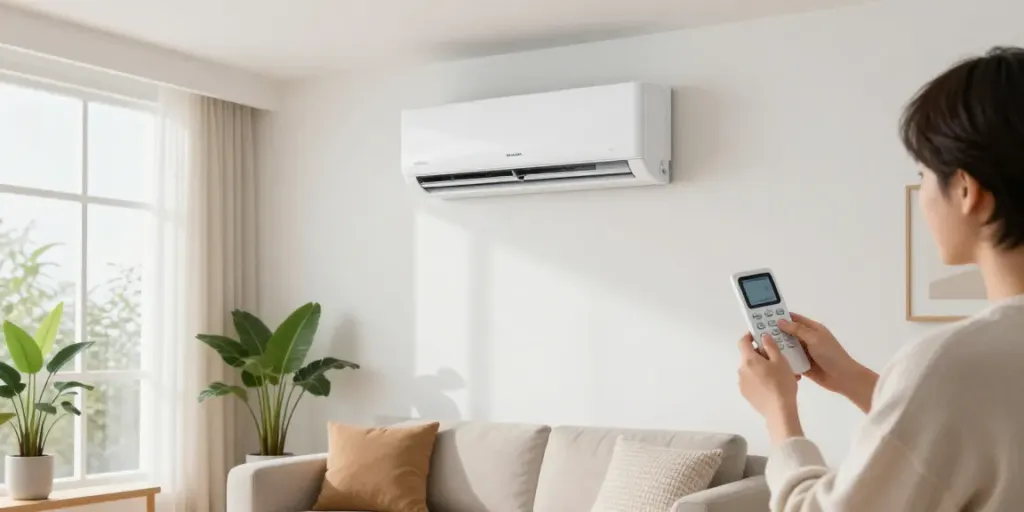
Understanding 9000 BTU Mini Split Systems
As climate control needs continue to evolve, many homeowners are turning to advanced heating and cooling solutions. Among these, the 9000 btu mini split system stands out for its efficiency and versatility. Whether you're upgrading your existing system or installing a new one, understanding the ins and outs of mini split systems is essential.
What is a Mini Split System?
A mini split system, also known as a ductless mini split, is an HVAC system that allows for individualized room temperature control. It consists of two main components: an outdoor compressor unit and one or more indoor air handling units. This design allows for greater flexibility in installation and operation compared to traditional central air systems.
How Does a 9000 BTU Mini Split Work?
The 9000 BTU rating indicates the cooling capacity of the unit, suitable for spaces ranging from 300 to 400 square feet. The system works by transferring heat from the indoor space to the outside using refrigerant. During the cooling process, the indoor unit absorbs heat and humidity, effectively lowering the temperature of the room, while the outdoor unit expels that heat outside.
Key Benefits of Using a 9000 BTU Mini Split
- Energy Efficiency: Mini split systems are known for their energy-saving capabilities, often outperforming traditional systems by using inverter technology.
- Flexible Installation: Without the need for ductwork, these systems can be installed in various locations, which is ideal for renovations or room additions.
- Individual Room Control: Homeowners can cool different rooms to their preferred temperatures, providing comfort and reducing energy waste.
- Quieter Operation: Mini splits operate at lower noise levels compared to traditional systems, making them suitable for bedrooms and home offices.
Ideal Space Requirements for a 9000 BTU Mini Split
Appropriate Room Size for Effective Cooling
To maximize the effectiveness of a 9000 BTU mini split, it's essential to consider the size of the room it will be cooling. Generally, this capacity is most suitable for spaces of approximately 300 to 400 square feet. Factors such as ceiling height, insulation, and room usage can affect this recommendation.
Understanding BTU Capacity and Its Impact
BTU, or British Thermal Unit, measures the amount of heat energy required to raise the temperature of one pound of water by one degree Fahrenheit. In the context of air conditioners, the BTU rating indicates the cooling capacity of the system. A higher BTU rating means the unit can cool a larger area, but choosing a system that exceeds the necessary capacity can lead to inefficiencies and increased energy costs.
Common Misconceptions about Mini Split Sizing
Many homeowners mistakenly believe that a higher BTU unit is always better. However, an oversized system can lead to short cycling, where the air conditioning unit turns on and off frequently, leading to increased wear and tear and reduced energy efficiency. It's crucial to conduct a proper assessment of your space to determine the right size.
Installation Considerations for Mini Split Systems
Do-It-Yourself vs. Professional Installation
While some homeowners may consider a do-it-yourself (DIY) approach to installing a mini split system, professional installation is often recommended. Certified HVAC technicians ensure the system is installed correctly, which can prevent potential issues and optimize performance. Additionally, many manufacturers require professional installation for warranty coverage.
What to Expect During Installation
During installation, technicians will assess your property, choose optimal indoor unit locations, and install the necessary lines and electrical connections. The process can take anywhere from a few hours to a full day, depending on the complexity of the installation and the number of indoor units being installed.
Hidden Costs of Installing a 9000 BTU Mini Split
In addition to the price of the unit itself, there are other costs to consider when installing a mini split system. These can include electrical upgrades, modifications to your home’s insulation, or additional line sets for multiple indoor units. It's important to budget accordingly and discuss potential hidden costs with your installer before proceeding.
Operating Efficiency and Energy Savings
How Energy Efficiency Ratings Affect Performance
Energy efficiency ratings, such as SEER (Seasonal Energy Efficiency Ratio), indicate how effectively an air conditioning unit operates. A higher SEER rating signifies greater efficiency, which can lead to significant savings on energy bills. For a 9000 BTU mini split, look for units that have a SEER rating of 16 or higher for optimal performance.
Comparing Energy Costs: Mini Split vs. Central Air
When comparing energy costs between a 9000 BTU mini split and a central air system, mini splits often prove to be the more economical choice. Central air systems require ductwork, which can lead to energy loss due to leaks and inefficiencies. In contrast, mini splits deliver cool air directly to the living space, ensuring reduced energy consumption and lower monthly bills.
Tips for Optimizing Your Mini Split's Efficiency
- Regular Maintenance: Clean or replace filters monthly to maintain airflow and efficiency.
- Set the Right Temperature: Avoid setting the thermostat too low; a difference of 5-10 degrees is often optimal for comfort and efficiency.
- Use Zoning: If your system supports it, utilize zoning capabilities to only cool rooms that are in use.
Future Trends and Innovations in Mini Split Technology
Emerging Technologies for Enhanced Performance
As technology progresses, mini split systems are experiencing innovations that increase their efficiency and user-friendliness. Features such as smart home integration, where users can control their HVAC systems via mobile apps, are becoming increasingly popular, catering to a tech-savvy audience that values convenience and control.
Consumer Preferences in 2026 for HVAC Solutions
In 2026, consumers will likely prioritize energy efficiency, eco-friendliness, and advanced technology when selecting HVAC solutions. Manufacturers are expected to respond with systems that are not only effective in temperature control but also have minimal environmental impact, potentially using renewable energy sources.
Eco-Friendly Trends in Home Cooling Technologies
There is a growing demand for eco-friendly HVAC options, including mini splits that utilize refrigerants with lower global warming potential (GWP). These innovations contribute to a more sustainable approach to cooling, aligning with consumers' increasing concern for climate change and environmental responsibilities.
What to Look for in Future Mini Split Models?
Future mini split models are expected to feature enhanced energy efficiency ratings, more advanced filtration systems for improved air quality, and better integration with smart home devices. Homeowners should look for units that balance performance, sustainability, and technology to meet their evolving needs.