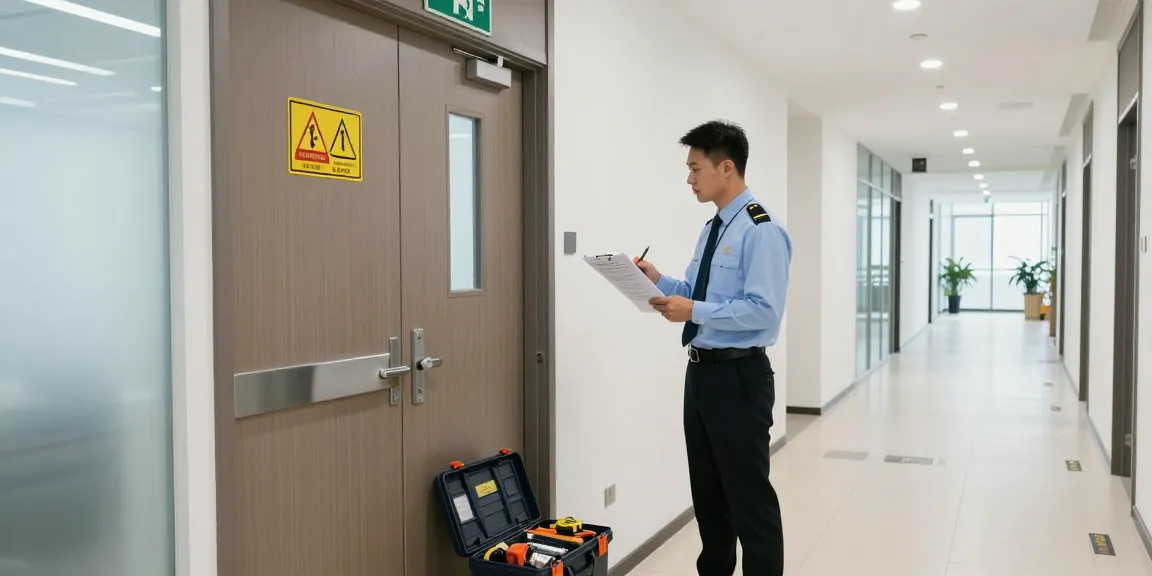
Overview of Exit Door Regulations
Exit doors are essential in ensuring the safety and security of any building, particularly in emergencies. Understanding the regulations surrounding these doors is crucial for compliance and to enhance safety measures. The design and installation of exit doors are not just about aesthetics but must adhere to strict guidelines that ensure swift and secure egress during emergencies. Properly installed and maintained exit doors can save lives, making it a priority for building owners and safety managers. When exploring options, exit door regulations offer comprehensive insights into what is required for safety and compliance.
Understanding Exit Door Importance
Exit doors serve as critical components in emergency evacuation routes, allowing occupants to exit buildings quickly and safely during emergencies such as fires, natural disasters, or other hazardous situations. Their importance cannot be understated; they are designed to facilitate a swift egress, reducing the risk of injury or loss of life. In commercial buildings, these doors must be easily accessible and operational at all times, ensuring that, in any adverse situation, people can evacuate efficiently.
Key Regulations and Standards for Exit Doors
Compliance with regulations is non-negotiable for exit doors. The National Fire Protection Association (NFPA) and the Occupational Safety and Health Administration (OSHA) set forth guidelines that dictate the construction, installation, and maintenance of exit doors. Key regulations include:
- Must be clearly marked and illuminated.
- They should open outward in the direction of exit travel.
- Exit doors should not be locked or obstructed during business hours.
- Regular inspections and maintenance must be performed to ensure functionality.
Common Compliance Myths and Misconceptions
There are several myths surrounding exit door compliance that can lead to unsafe practices. One common misconception is that any door can serve as an exit door. In reality, only doors specifically designed and approved for emergency egress can be classified as such. Another myth is that exit doors do not require regular inspection if they appear functional. However, the reality is that wear and tear can compromise these doors, making regular maintenance critical.
Types of Exit Doors
Differences Between Fire Exit and Standard Exit Doors
Understanding the differences between fire exit doors and standard exit doors is vital for compliance and safety. Fire exit doors are specifically designed to withstand high heat and smoke, allowing for safe egress during a fire emergency. These doors are typically made from fire-rated materials and are equipped with panic bars to enable quick escape. In contrast, standard exit doors may not possess the same level of fire resistance and are generally used in non-emergency exits.
Specialized Exit Doors for High-Risk Environments
In high-risk environments such as industrial facilities, hospitals, and schools, specialized exit doors may be required. These doors are engineered to withstand specific threats, such as chemical exposure, extreme weather, or heavy traffic. They may incorporate advanced locking mechanisms, alarms, and other safety features to enhance security while ensuring quick evacuation options.
Factors to Consider When Choosing an Exit Door
Choosing the right exit door involves evaluating several factors, including:
- Building Codes: Ensure the door complies with local building codes and safety regulations.
- Usage Frequency: High-traffic areas may require more durable options.
- Material: Consider materials that provide necessary fire ratings and weather resistance.
- Accessibility: Ensure compliance with the Americans with Disabilities Act (ADA) requirements for accessibility.
Installation Best Practices
Step-by-Step Guide to Installing Exit Doors
Proper installation of exit doors is critical for their performance. Here is a general step-by-step guide:
- Measure the opening accurately to ensure the correct size of the door.
- Prepare the frame, making sure it is level and secure.
- Install the door according to manufacturer specifications, ensuring proper alignment.
- Add required hardware, including hinges, locks, and panic bars as needed.
- Test the door to confirm it opens and closes smoothly without obstruction.
Common Pitfalls to Avoid During Installation
When installing exit doors, several common pitfalls can compromise functionality and safety, such as:
- Inaccurate measurements leading to ill-fitting doors.
- Failure to follow manufacturer guidelines during installation.
- Neglecting to perform safety tests after installation.
Tools and Materials Necessary for Proper Installation
Having the right tools and materials is essential for a successful installation. Key items include:
- Measuring tape for accurate dimensions.
- Drills and screws for securing the frame and hinges.
- Panic bars and locking systems for emergency accessibility.
- Safety goggles and gloves for personal protection during installation.
Maintenance and Inspection of Exit Doors
Creating a Regular Maintenance Schedule
Establishing a regular maintenance schedule ensures that exit doors remain functional and compliant. A suggested schedule may include:
- Monthly checks to confirm door operation and accessibility.
- Annual inspections of hardware, frames, and signs.
- Immediate attention to any signs of wear or damage.
Key Areas to Inspect for Safety Compliance
When conducting inspections, focus on these key areas:
- Functionality of panic bars and locking mechanisms.
- Condition of the door frame and materials.
- Visibility and clarity of exit signage.
Responding to Common Maintenance Issues
Addressing common maintenance issues promptly is essential for safety:
- Replace worn or malfunctioning hardware immediately.
- Realign doors that do not close properly.
- Update signage that is faded or damaged.
Future Trends in Exit Door Safety and Compliance
Innovations in Exit Door Technology for 2026
As technology advances, new innovations are emerging in exit door design and functionality. Some of these innovations include:
- Smart exit doors that can be monitored remotely for compliance.
- Integration with building management systems for real-time alerts.
- Improved materials that enhance fire resistance and longevity.
Predicted Changes in Safety Regulations
As safety standards evolve, it’s crucial to anticipate changes in regulations that affect exit doors. Key areas to monitor include:
- Increased emphasis on accessibility for all individuals.
- Stricter fire and smoke resistance requirements.
- Enhanced penalties for non-compliance.
Preparing for the Future: What to Expect
To stay ahead of potential regulations and technological advancements, consider proactive strategies such as:
- Regular training for staff on safety procedures and equipment.
- Investing in advanced door systems that meet future standards.
- Staying informed about industry trends and legal requirements.
What are the required features of an exit door?
Required features of an exit door include:
- Clear exit signage visible from a distance.
- An outward-swinging design to facilitate quick egress.
- A minimum clear width to accommodate multiple occupants.
How often should exit doors be inspected?
Exit doors should ideally be inspected monthly for functionality, with a comprehensive inspection performed at least annually to comply with safety regulations.
What are the consequences of non-compliance with exit door regulations?
Failure to comply with exit door regulations can lead to serious consequences, including fines, increased liability in the event of an emergency, and, most importantly, jeopardizing occupant safety.
Can exit door regulations change based on location?
Yes, exit door regulations can vary by location due to local building codes, fire safety regulations, and occupancy type, making it essential for property owners to stay updated on requirements specific to their area.
How can I ensure my exit doors are up to code?
Ensuring exit doors are up to code involves regular inspections, staying informed of local regulations, and consulting with safety professionals for compliance assessments and upgrades.